
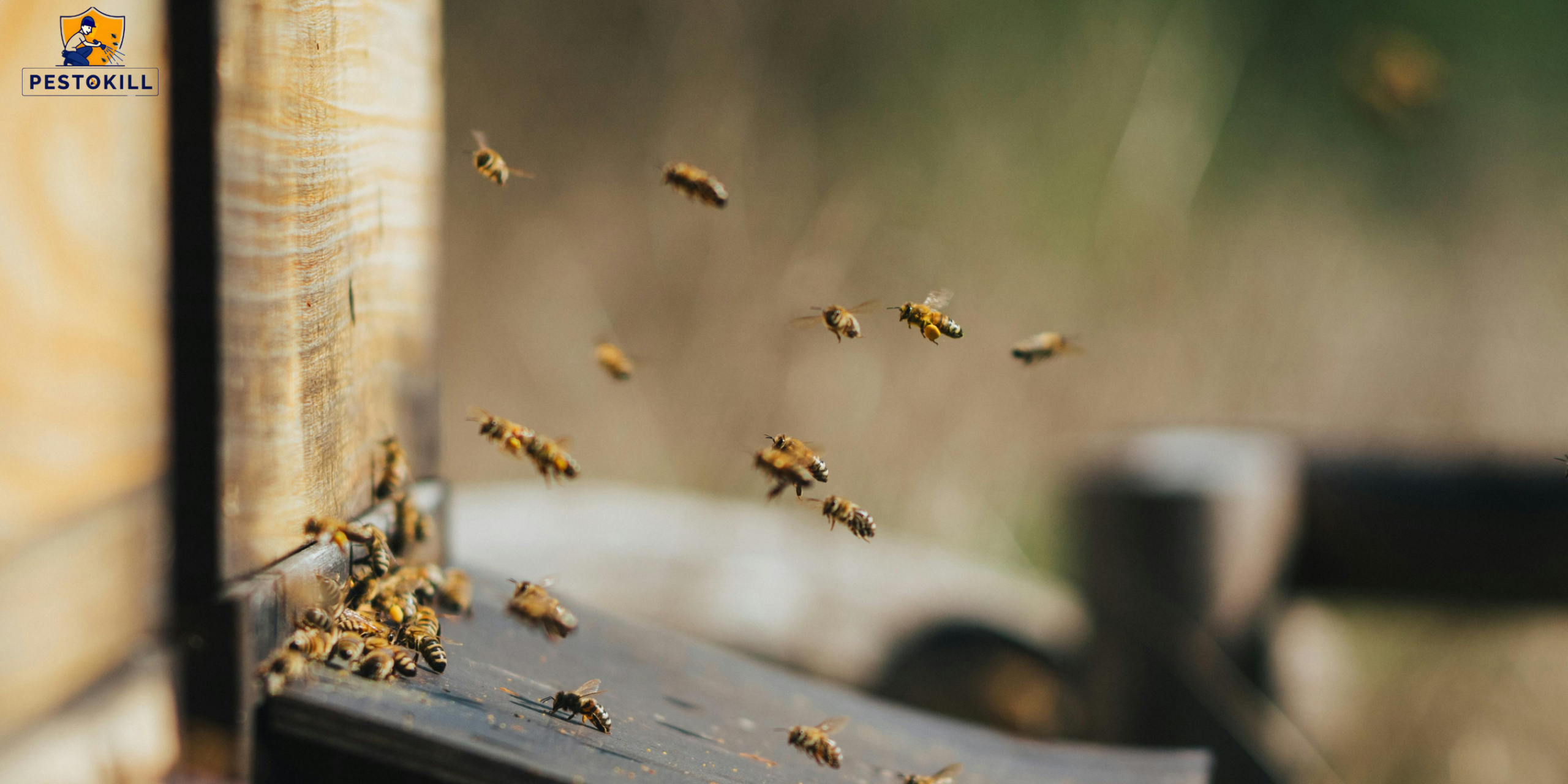

Bees entering residential spaces is a growing concern for homeowners across urban, suburban, and rural environments. While bees are essential pollinators and play a vital role in maintaining ecological balance, their presence inside houses, walls, roofs, or attics often raises safety, structural, and health concerns. Understanding why bees move into houses, what attracts them, and how their behavior works is critical for effective prevention and responsible management.
This comprehensive guide explores the complete bee scenery—from environmental triggers and seasonal patterns to structural vulnerabilities and colony behavior—providing authoritative insights designed to help property owners make informed decisions.
The Natural Instincts That Drive Bees Indoors
Bees do not randomly choose houses. Their movement is guided by instinctive survival needs, including shelter, reproduction, and access to food. Residential buildings often unintentionally meet these requirements better than natural environments.
Shelter and Protection
Bees seek enclosed, dry, and temperature-stable environments to establish colonies. Modern houses offer:
-
Wall cavities
-
Attics and lofts
-
Roof gaps and soffits
-
Chimneys and ventilation openings
These spaces closely mimic hollow trees or rock crevices, which are bees’ natural nesting locations.
Climate Regulation
Bees are highly sensitive to temperature fluctuations. Homes provide consistent warmth in winter and cooler interiors during extreme heat, making them ideal for colony survival, especially in regions experiencing climate instability.
Seasonal Bee Movement Patterns
Bee activity near homes increases during specific times of the year. Recognizing these patterns helps explain sudden infestations.
Spring: Swarming Season
Spring is the peak period for bee movement. During this time:
-
Existing colonies split
-
Queen bees search for new nesting sites
-
Swarms temporarily rest on buildings, balconies, or trees
Homes with structural openings become prime targets during this phase.
Summer: Colony Expansion
In summer, established colonies grow rapidly. Bees may expand deeper into wall voids or roofs if space allows, increasing visibility and noise inside the house.
Autumn and Winter: Seeking Warmth
As temperatures drop, bees look for insulated spaces to survive. Houses with warm walls and attics often become long-term nesting sites during colder months.
Structural Factors That Attract Bees to Houses
Many homes unintentionally invite bees due to design flaws or aging construction.
Gaps, Cracks, and Openings
Even tiny openings are sufficient for bees to enter. Common entry points include:
-
Cracks in exterior walls
-
Loose roof tiles
-
Broken vents or screens
-
Gaps around windows and doors
Once scout bees locate a suitable opening, they signal the colony to move in.
Wall Cavities and False Ceilings
Modern construction often includes hollow spaces that are inaccessible to homeowners but ideal for bees to build large hives without disturbance.
Unused Chimneys and Ducts
Chimneys provide vertical, enclosed spaces that retain warmth. If not properly sealed, they become highly attractive nesting areas.
Environmental and Urban Influences
Urbanization and environmental changes significantly impact bee behavior.
Loss of Natural Habitats
Deforestation, construction, and agricultural expansion reduce natural nesting areas. As a result, bees increasingly turn to man-made structures for survival.
Availability of Food Sources
Gardens, flowering plants, fruit trees, and water sources near houses increase the likelihood of bee activity. Homes surrounded by greenery are especially attractive.
Reduced Predators
Urban environments often have fewer natural predators, making residential areas safer for bees to establish long-term colonies.
Understanding Different Bee Species and Their Behavior
Not all bees behave the same way. Identifying the species helps explain why certain houses are more affected.
Honey Bees
-
Prefer enclosed cavities
-
Build large wax combs
-
Commonly nest inside walls and roofs
-
Highly organized and persistent once settled
Carpenter Bees
-
Drill into wooden structures
-
Attracted to untreated or weathered wood
-
Common around decks, eaves, and wooden frames
Bumblebees
-
Nest in smaller cavities
-
Often found in attics or insulation
-
Less aggressive but still problematic indoors
Each species requires a different management approach, making correct identification essential.
Why Bees Rarely Leave Once Established
Once bees settle inside a house, they rarely leave voluntarily. This is due to:
-
Established brood and queen presence
-
Stored honey and pollen
-
Strong pheromone signals marking the location as home
Removing bees without addressing these factors often results in reinfestation, as new swarms are attracted to residual scents.
Potential Risks of Bees Inside Houses
While bees are not inherently aggressive, their presence inside homes poses several risks.
Structural Damage
Honeycomb buildup can:
-
Weaken walls and ceilings
-
Cause honey leakage
-
Attract ants and rodents
Over time, untreated infestations can lead to costly repairs.
Health and Safety Concerns
-
Increased risk of stings, especially for allergic individuals
-
Panic or accidents caused by sudden bee activity indoors
-
Contamination from honey, wax, and debris
Long-Term Infestation Issues
Dead colonies left untreated can rot, producing odors and attracting pests, compounding the problem.
Preventive Measures to Stop Bees from Entering Homes
Prevention is always more effective than removal. Proactive steps include:
Sealing Entry Points
-
Inspect exterior walls regularly
-
Seal cracks with durable materials
-
Install fine mesh on vents and chimneys
Proper Home Maintenance
-
Repair damaged wood
-
Paint or treat exposed wooden surfaces
-
Replace broken roof tiles and siding
Environmental Management
-
Trim vegetation away from the house
-
Avoid leaving standing water near structures
-
Strategically place flowering plants away from entry points
Responsible Bee Management and Ethical Considerations
Bees are protected in many regions due to their ecological importance. Ethical management focuses on:
-
Avoiding unnecessary extermination
-
Relocation by professionals when possible
-
Long-term prevention rather than temporary fixes
Responsible handling protects both homeowners and the environment.
Conclusion: Understanding Bee Scenery Is the Key to Control
Bees move into houses due to a combination of instinct, environment, structure, and seasonal behavior. Homes that offer warmth, safety, and accessibility naturally attract colonies, especially as natural habitats decline. By understanding the complete bee scenery—how bees think, move, and settle—property owners can take informed, effective, and ethical steps to prevent infestations and protect their homes without harming these vital pollinators.